
Vanilla Beans Price Guide: What Affects Global Vanilla Prices
Learn what affects global vanilla beans price, including supply, demand, quality, and market trends. A complete guide for buyers and importers. Guide for global market
TropisVanilla - Ivan Raditya
3/15/20263 min read
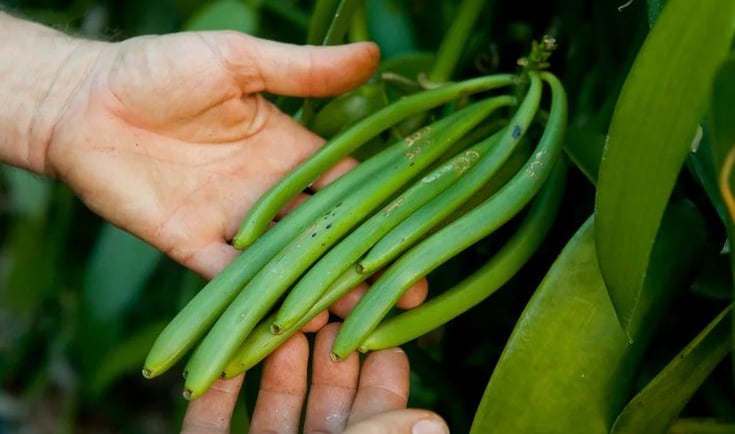
Vanilla beans are among the most valuable spices in the world, with prices that can fluctuate significantly from year to year. For buyers, importers, and food manufacturers, understanding what affects global vanilla prices is essential for making informed purchasing decisions.
This guide explains the key factors that influence vanilla bean pricing and why the market can be highly dynamic.
Why Are Vanilla Beans has a premium price?
Vanilla is a labor-intensive crop that requires careful cultivation and processing. Unlike many other agricultural products, vanilla cannot be mass-produced easily.
Each vanilla flower must be hand-pollinated, and the beans require a long curing process that can take several months. Because of this, production is limited, and supply often struggles to keep up with global demand.
These factors contribute to the relatively high and sometimes volatile price of vanilla beans.
1. Supply and Demand
The most important factor affecting vanilla prices is the balance between global supply and demand.
When production is low and demand remains high, prices increase. On the other hand, when supply improves, prices may stabilize or decrease.
Demand for vanilla continues to grow due to increasing use in:
Food and beverage industries
Ice cream and desserts
Bakery and confectionery
Cosmetics and fragrances
This consistent demand keeps vanilla prices relatively strong in the global market.
2. Weather Conditions
Vanilla production is highly dependent on climate conditions.
Extreme weather events such as:
Cyclones
Heavy rainfall
Drought
can significantly damage vanilla crops, especially in major producing countries.
For example, tropical storms in key producing regions can reduce harvest yields, leading to supply shortages and price spikes in the global market.
3. Origin of Vanilla Beans
The origin of vanilla beans also plays a role in pricing.
Different countries produce vanilla with varying characteristics, such as:
Flavor profile
Moisture content
Appearance
Curing method
Some origins are perceived as more premium in certain markets, which can affect pricing. However, high-quality vanilla beans from different origins can all meet international standards depending on processing and quality control.
4. Quality and Grade
Vanilla beans are typically graded based on:
Length
Moisture content
Appearance
Aroma
Higher-grade vanilla beans (often referred to as Grade A or gourmet vanilla) usually have:
Higher moisture content
Better appearance
Stronger aroma
These beans are generally more expensive than lower grades, which are often used for extraction or industrial purposes.
Quality consistency is a key factor for buyers, especially in large-scale production.
5. Curing and Processing Methods
The curing process has a major impact on the final quality and price of vanilla beans.
Proper curing involves several stages, including:
Blanching
Sweating
Drying
Conditioning
This process enhances the development of flavor compounds such as vanillin. Beans that are carefully cured tend to have better aroma and higher market value.
Poorly cured beans, on the other hand, may be sold at lower prices due to reduced quality.
6. Market Speculation and Price Volatility
The vanilla market is known for its price volatility.
In some cases, prices can rise sharply due to:
Anticipated shortages
Supply chain disruptions
Market speculation
Because vanilla is a high-value commodity with limited production, even small changes in supply can have a significant impact on pricing.
7. Export and Supply Chain Factors
Logistics and export processes also influence the final price of vanilla beans.
These include:
Transportation costs
Export regulations
Packaging standards
Currency fluctuations
For international buyers, these factors can affect the total landed cost of vanilla beans.
Reliable suppliers help manage these variables by ensuring proper documentation, packaging, and consistent quality.
How Buyers Can Navigate Vanilla Prices
For buyers, understanding price fluctuations is essential to making strategic purchasing decisions.
Some key considerations include:
Working with trusted suppliers
Monitoring market trends
Evaluating quality vs price
Planning purchases in advance
Buying based solely on the lowest price may lead to inconsistent quality, which can impact the final product.
Conclusion
Global vanilla prices are influenced by a combination of factors, including supply and demand, weather conditions, origin, quality, curing methods, and market dynamics.
Because of its complex production process and limited supply, vanilla remains a high-value commodity with fluctuating prices.
For buyers and importers, understanding these factors is essential to sourcing high-quality vanilla beans while managing costs effectively.
Indonesia continues to play an important role in the global vanilla market, offering competitive pricing and reliable supply for various industries.