
Indonesian Vanilla vs Madagascar Vanilla: What’s the Difference?
Learn the key differences between Indonesian vanilla and Madagascar vanilla
3/15/20262 min read
Indonesian Vanilla vs Madagascar Vanilla: What’s the Difference?
Vanilla is one of the most valuable spices in the world, widely used in food, beverages, cosmetics, and fragrance industries. Among the major producers, Indonesia and Madagascar are the two most important origins supplying vanilla beans to the global market.
While both countries produce high-quality vanilla, there are several differences in flavor profile, appearance, moisture content, and market use. Understanding these differences can help buyers choose the most suitable vanilla beans for their applications.
Overview of Indonesian Vanilla Beans
Indonesia is one of the largest vanilla producers in the world. Most Indonesian vanilla beans are Vanilla Planifolia, the same species grown in Madagascar.
Indonesian vanilla beans are known for their strong and bold flavor profile with slightly smoky and woody notes. This distinctive aroma makes them highly suitable for industrial applications such as:
Ice cream production
Chocolate and bakery products
Flavor extraction
Food manufacturing
Indonesian vanilla beans usually have a moisture content of around 25–30%, which gives them a balanced texture and makes them ideal for processing into vanilla extract.
In addition, Indonesia has a long tradition of natural curing methods, which contributes to the beans’ complex aroma and deep color.
Overview of Madagascar Vanilla Beans
Madagascar is often considered the world’s most famous vanilla origin. The country produces what is commonly referred to as “Bourbon Vanilla.”
Madagascar vanilla beans are known for their sweet, creamy, and rich flavor profile with classic vanilla notes. Because of this smooth taste, they are often preferred for:
Premium desserts
Pastries
Gourmet cooking
High-end food products
Madagascar vanilla beans typically have higher moisture content, often between 30–35%, which makes them softer and more flexible.
Flavor Profile Comparison
One of the most noticeable differences between Indonesian and Madagascar vanilla lies in their flavor.
Indonesian Vanilla
Strong and bold aroma
Slightly smoky and woody notes
More intense flavor
Madagascar Vanilla
Sweet and creamy aroma
Classic “traditional vanilla” taste
Smooth and balanced flavor
Because of this difference, Indonesian vanilla is often used for flavor extraction and large-scale food production, while Madagascar vanilla is commonly used in premium culinary products.
Appearance and Physical Characteristics
Although both come from the same species, their physical characteristics may vary.
Indonesian Vanilla Beans
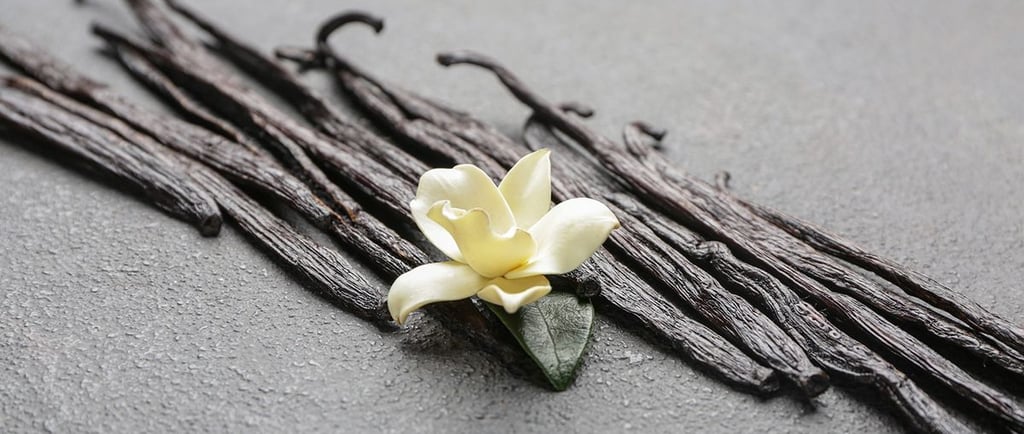
Dark brown to black color
Slightly drier appearance
Firm texture
Madagascar Vanilla Beans
Very oily and glossy surface
Softer and more flexible
Often longer and plumper
However, quality ultimately depends on proper harvesting and curing processes, not only the country of origin.
Global Market Demand
Both Indonesian and Madagascar vanilla beans are highly demanded in the international market.
Madagascar dominates the premium culinary segment, while Indonesian vanilla beans are widely used in industrial and extract production due to their strong flavor and competitive pricing.
Because of these advantages, Indonesian vanilla remains a key supply source for global vanilla buyers.
Conclusion
Indonesian and Madagascar vanilla beans each offer unique characteristics that make them valuable for different uses.
Indonesian Vanilla: bold flavor, slightly smoky notes, ideal for extraction and industrial applications.
Madagascar Vanilla: sweet, creamy, classic vanilla taste, often preferred for gourmet cooking.
For buyers, the best choice depends on the intended application, flavor preference, and budget.
Indonesia continues to be one of the world’s most reliable sources of high-quality vanilla beans, offering consistent supply and distinctive flavor profiles.