
How to Identify Premium Vanilla Beans: A Buyer’s Guide
Premium Vanilla Beans: How to Identify High-Quality Vanilla Beans
3/15/20263 min read
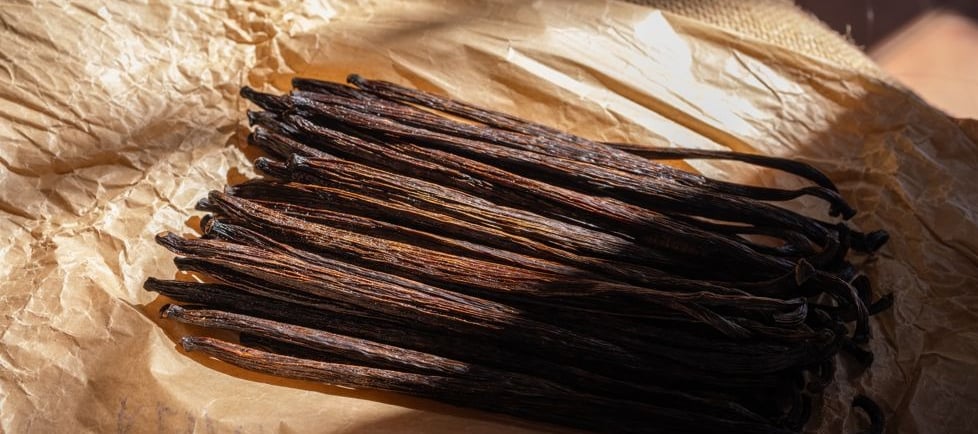
Vanilla beans are among the most valuable spices in the world, widely used in the food, beverage, fragrance, and cosmetics industries. However, not all vanilla beans offer the same level of quality. For buyers, understanding how to identify premium vanilla beans is essential to ensure consistency, flavor quality, and value.
Premium vanilla beans are distinguished by several important characteristics, including appearance, aroma, moisture content, size, and curing quality. This guide explains the key factors that buyers should consider when sourcing high-quality vanilla beans.
What Are Premium Vanilla Beans?
Premium vanilla beans are carefully cultivated, harvested at the correct maturity stage, and processed using proper curing methods. These beans contain a high concentration of natural flavor compounds, particularly vanillin, which is responsible for vanilla’s signature aroma.
High-quality vanilla beans are typically used for:
Gourmet cooking and baking
Ice cream and dessert production
Vanilla extract manufacturing
Premium food and beverage products
Because of their superior flavor and aroma, premium beans are highly valued in the global market.
1. Appearance and Color
One of the first indicators of premium vanilla beans is their appearance.
High-quality beans usually have a dark brown to deep black color and a smooth surface. They should look slightly oily or glossy, which indicates proper curing and good moisture balance.
Premium vanilla beans should also be free from mold, cracks, or major defects. Minor natural imperfections are normal, but the beans should still appear well preserved and intact.
2. Moisture Content
Moisture content is one of the most important quality indicators for vanilla beans.
Premium vanilla beans typically have a moisture content of around 25–35%, depending on the curing style and origin. This level of moisture ensures that the beans remain soft, flexible, and aromatic.
If vanilla beans are too dry, they can become brittle and lose part of their aroma. On the other hand, excessively high moisture may increase the risk of mold during storage and transport.
Maintaining the correct moisture level is crucial for both flavor preservation and long-term storage stability.
3. Length and Size
The size of vanilla beans also influences their market classification.
Premium vanilla beans are usually longer and thicker, with lengths commonly ranging between 16–20 cm or more. Longer beans are often preferred because they tend to contain more seeds and stronger aroma compounds.
However, length alone does not determine quality. Proper curing and aroma development remain more important factors than size.
4. Aroma and Flavor Profile
Aroma is one of the most reliable ways to evaluate vanilla bean quality.
Premium vanilla beans should produce a rich, sweet, and complex vanilla fragrance. Depending on the origin, the aroma may include subtle notes such as:
Sweet and creamy tones
Floral nuances
Slightly woody or smoky hints
For example, some Indonesian vanilla beans are known for their bold and intense aroma, making them suitable for flavor extraction and industrial applications.
A strong natural aroma indicates that the beans were properly cured and stored.
5. Flexibility and Texture
Premium vanilla beans should be supple and flexible, not dry or brittle.
When gently bent, the bean should curve easily without breaking. This flexibility indicates that the bean retains the right moisture balance and internal oil content.
Beans that snap easily are usually over-dried or improperly stored, which can reduce their overall quality.
6. Proper Curing Process
The curing process plays a major role in the development of vanilla flavor.
After harvesting, vanilla beans undergo several stages including:
Blanching
Sweating
Drying
Conditioning
This process may take several months, during which complex flavor compounds develop. Poor curing techniques often result in weak aroma, uneven color, or inconsistent quality.
Experienced producers follow traditional curing methods to ensure the beans reach their full flavor potential.
Why Premium Vanilla Beans Matter for Buyers
For food manufacturers, chefs, and extract producers, the quality of vanilla beans directly affects the final product.
Premium beans provide:
Stronger flavor intensity
Better extraction yield
More consistent aroma
Higher product quality
For this reason, many international buyers prioritize sourcing vanilla beans from trusted suppliers who maintain strict quality standards.
Conclusion
Identifying premium vanilla beans requires careful evaluation of several key factors, including appearance, moisture content, size, aroma, texture, and curing quality.
High-quality beans are typically dark, flexible, aromatic, and properly cured, ensuring they deliver the rich flavor that vanilla is known for.
For buyers in the global market, understanding these characteristics can help ensure better sourcing decisions and consistent product quality.
Indonesia remains one of the world’s important sources of high-quality vanilla beans, offering distinctive flavor profiles and reliable supply for various industries.